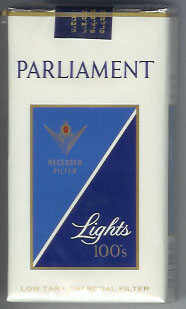
Philip Morris USA is the United States tobacco division of Altria Group, Inc. Philip Morris USA brands include Marlboro, Virginia Slims, Benson and Hedges, Merit, Parliament, Alpine, Basic, Cambridge, Bucks, Dave's, Chesterfield, Collector's Choice, Commander, English Ovals, Lark, L&M, Players and Saratoga.
On January 27, 2003, Philip Morris Companies Inc. changed its name to Altria Group, Inc. Even under this new name, Altria continues to own 100% of Philip Morris USA (abbreviated PM USA). Some view this name change as an effort by Altria to deemphasize its historical association with tobacco products.
Philip Morris USA Inc. home offices and facilities include headquarters, manufacturing, processing and support facilities in the Richmond, Virginia area; sales offices crisscrossing the U.S.; and an office in The Commonwealth of Puerto Rico.
Philip Morris was born in Whitechapel in 1835, the son of a recent immigrant from Germany who had taken the name Bernard Morris. In 1847, the family opened a shop in London. The first cigarettes were made in 1854,[1] and in 1902, Philip Morris & Co., Ltd. was incorporated in New York City. The company made its first cigarettes in Richmond in 1929, using an existing factory the company purchased. In 1933, this factory was racially integrated more than thirty years before the law required it. In 1938, the company offered preferred stock to ordinary buyers.[2]
In 1954, Philip Morris began advertising Marlboros specifically to men. The cigarettes had "new cork-tip filters housed in a flip-top box with a red roof design."[3]
In 1970, Philip Morris made the first of several acquisitions with the purchase of Miller Brewing Company. In 1985, Philip Morris Cos. became a holding company and the parent of Philip Morris Inc. and bought General Foods. The acquisition of Kraft Foods came in 1988, after which Kraft and General Foods became Kraft General Foods.[3]
In 2002, Miller Brewing and South African Breweries became SABMiller, the second-largest maker of beer in the world, though Philip Morris kept an interest in the merged company. In 2003, Philip Morris Cos. changed its name to Altria Group Inc.[4]
In the fall of 2003, Philip Morris USA moved its headquarters from New York City to Richmond, Virginia. Philip Morris USA split from Philip Morris International in 2004. This has caused a drop in the needed cigarette production due to no need for export product. Philip Morris shut down its Concord, North Carolina manufacturing facility in 2008 and moved all domestic production to Richmond.